
“God Has a Big Mouth”: Ellen G. White Research Centre’s Youth Symposium Draws Young Adults from Across Europe
Delegates from Iceland to Greece gathered at Newbold College on 11-12 September for the Ellen G. White Youth Symposium - two days built around a single claim: that God has never stopped speaking.
The symposium was organised by the Ellen G. White Research Centre, in partnership with the Trans-European Division (TED), the British Union Conference (BUC), Stanborough Press, and the General Conference Ellen G. White Estate, and hosted at Newbold College. It drew an intergenerational crowd of young adults, pastors and theology students from across the TED territory, including Poland, Hungary, Portugal, Scotland, Serbia and England.
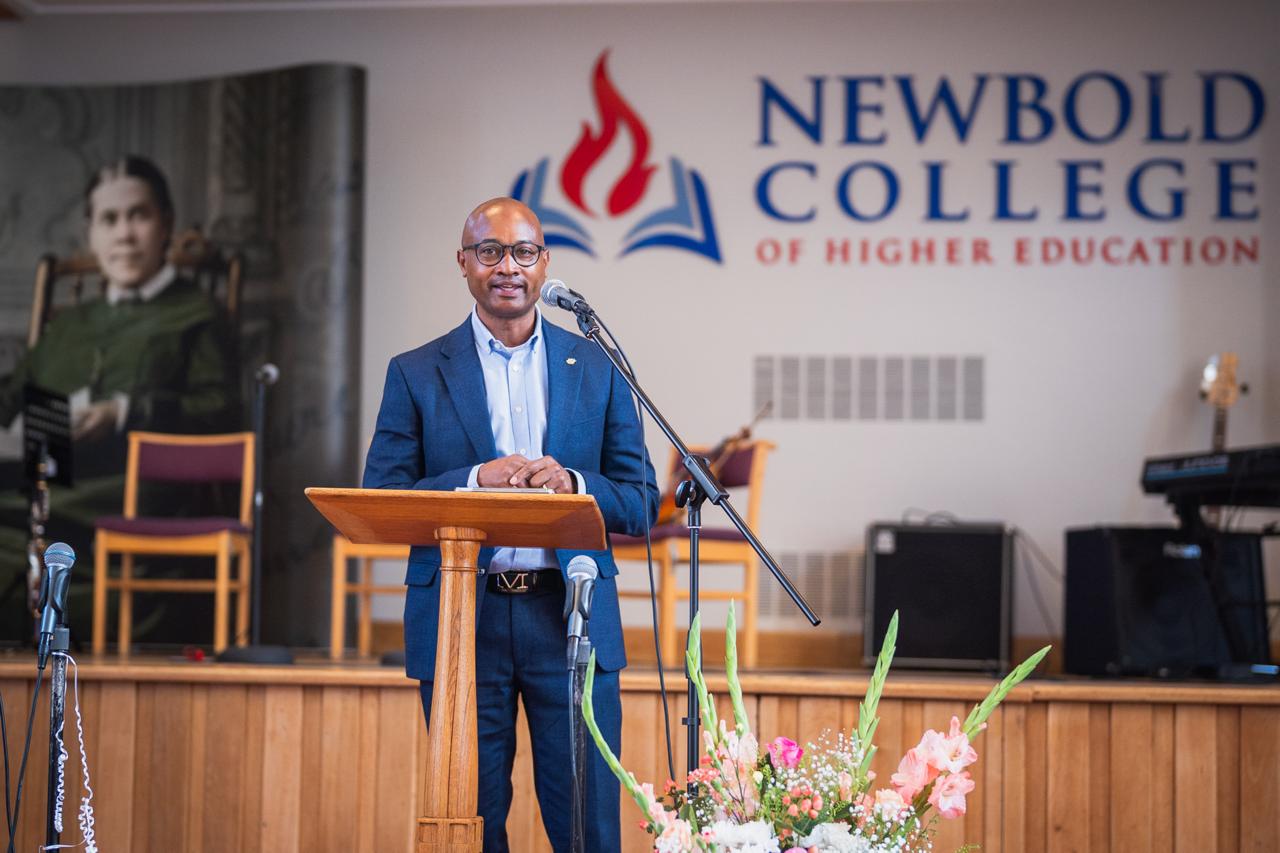
“God isn't silent. God is a God who communicates. He speaks.”Pr Rory Mendez
Director of the Ellen G. White Research Centre
Friday: why listen to Ellen White at all
Pr Rory Mendez, Director of the Research Centre, opened the symposium with a direct claim: "God isn't silent. God is a God who communicates. He speaks." He added a challenge for the audience: "The greatest obstacle to learning is not our ability to learn, it's our ability to unlearn."
Pr Ian Sweeney placed Ellen White alongside two other 19th-century American religious figures, Joseph Smith and Mary Baker Eddy, and argued she stood apart. Where the others positioned their writings as equal to or above the Bible, Sweeney said, "she held up the Bible [at the 1909 General Conference] and said, 'Brothers and sisters, I commend unto you this book.' She didn't hold up her own books."
Dr Theodore Levterov offered a more personal test. Comparing Ellen White's writings to Italian chocolate, he said, "you can attend seminars explaining how it's made, but you will only know its quality once you taste it." He shared how believers in 1980s communist Bulgaria smuggled printing equipment to reproduce her book The Desire of Ages, typing pages by hand while playing loud music to mask the noise.
Dwain Esmond closed the evening with a challenge about resistance to being told what to do: "Don't measure God's power by the volume of your opposition; measure the opposition by the power of God's voice."
Saturday: what the prophetic gift is for
Dr Jan Barna opened Saturday by framing prophecy within the Bible's wider story: "God has never been silent. Silence is not an option from the perspective of the biblical big picture view."
Pr Rory Mendez returned to set out how Adventists test a prophetic claim - checking it against scripture, its focus on Christ, the fruit it produces, and whether it comes true. "The prophetic gift," he said, "is not to give us another Bible, but to call us back to the Bible... not to draw attention to the prophet, but ultimately to point us to Jesus Christ."
Esmond returned to link prophecy to action, citing Isaiah 58 - the chapter he said Ellen White wrote on more than any other - and Adventism's roots in abolitionism. "Every time that an Adventist does not show up for the marginalized and the oppressed, we miss our moment," he said. "It's at our roots."
Dr Laszlo Gallusz turned to Revelation 14, contrasting it with the anxiety of "a dystopian world": "Revelation 14 points to good news - an alternative way to live as a human being: to worship the Creator."
Levterov closed with practical guidance for reading Ellen White responsibly - understanding her historical context, distinguishing her published works from private letters, and, he said, verifying that quotations attributed to her are genuine. Pr Steve McKenzie brought the day to a close with a call for spiritual vitality over institutional appearance: "Looking good doesn't mean that we're alive... we've got to have the power of the Holy Spirit.”
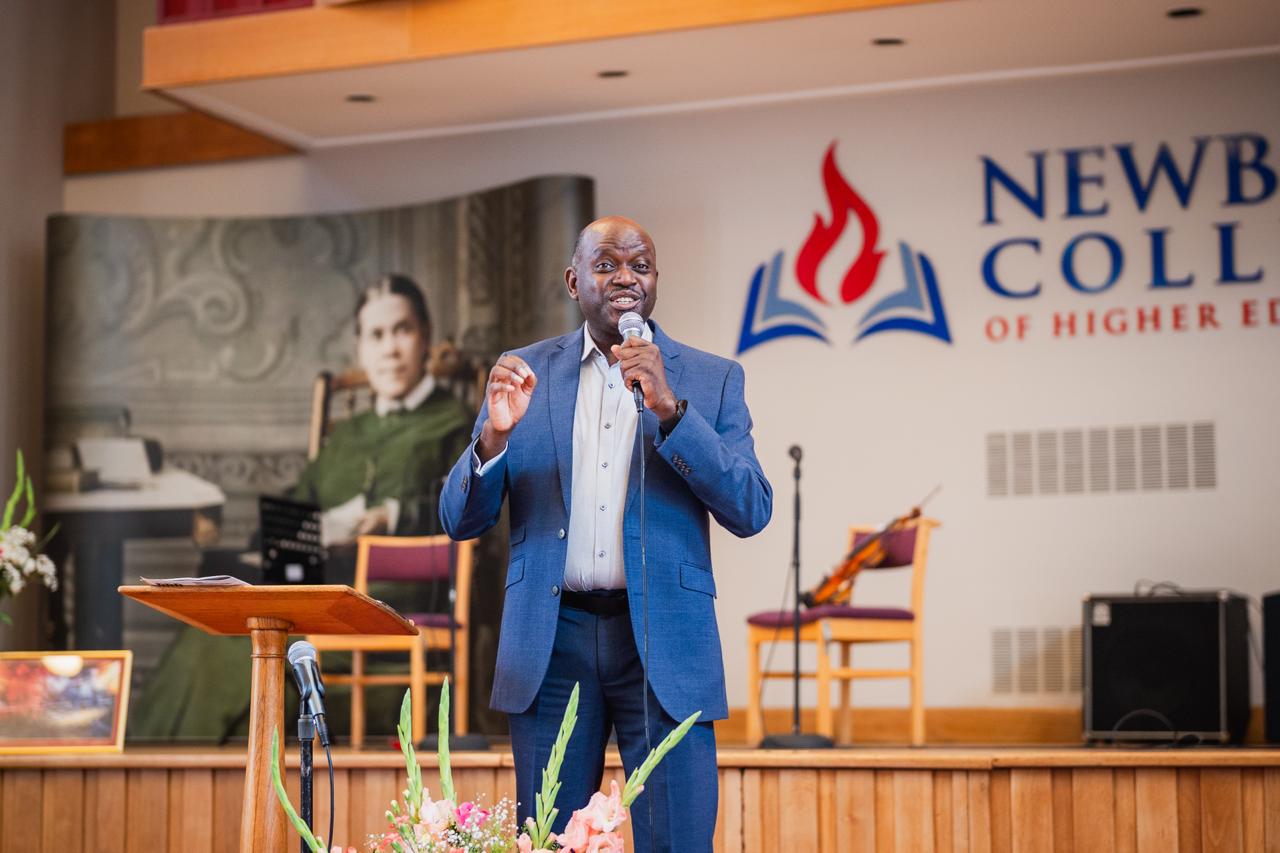
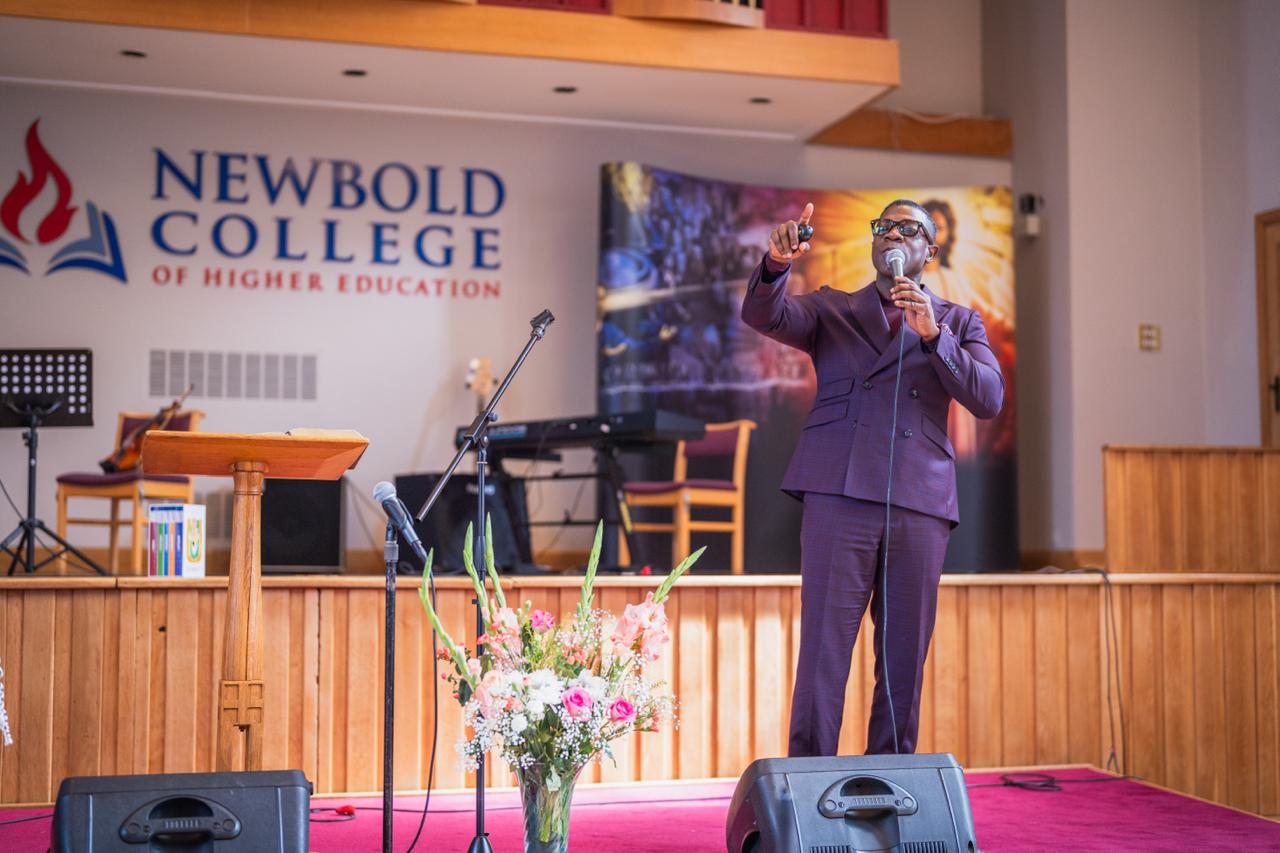
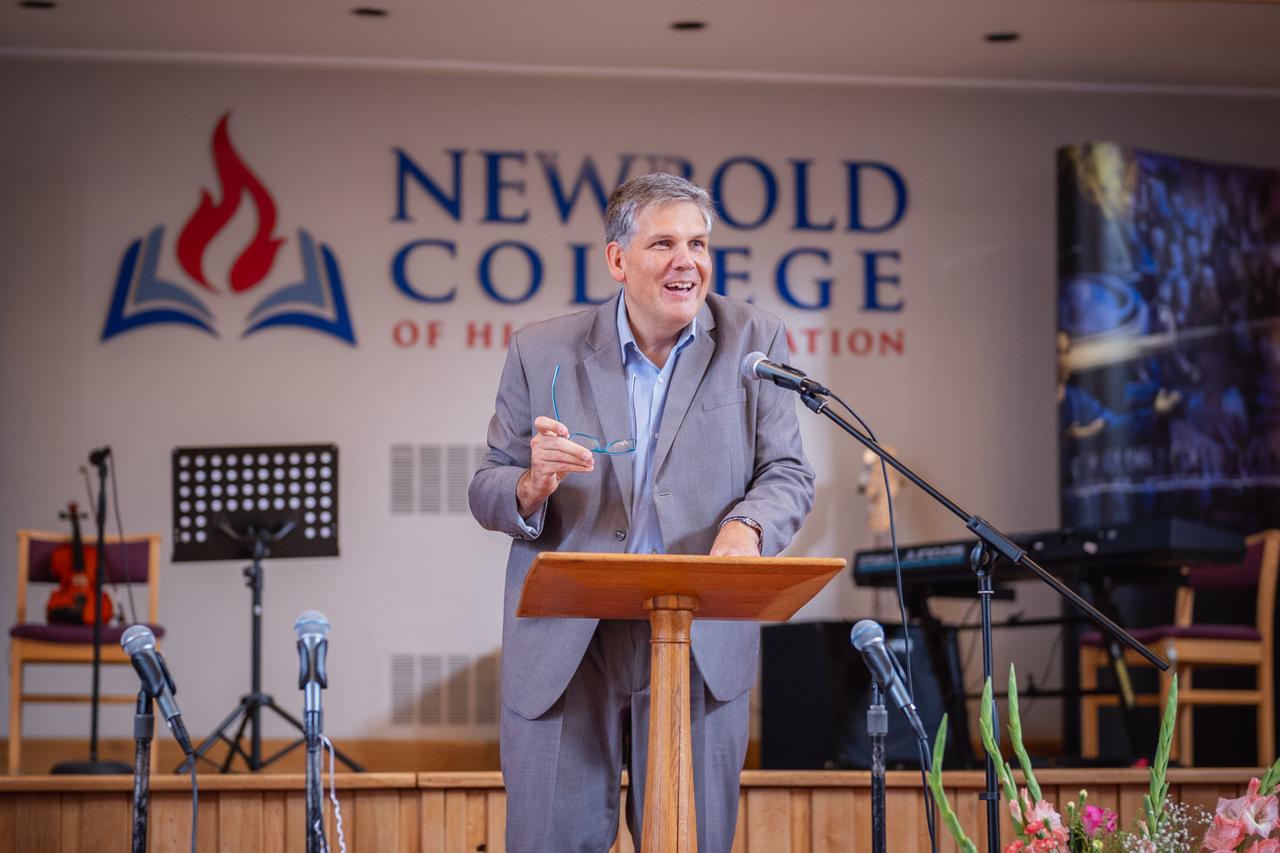
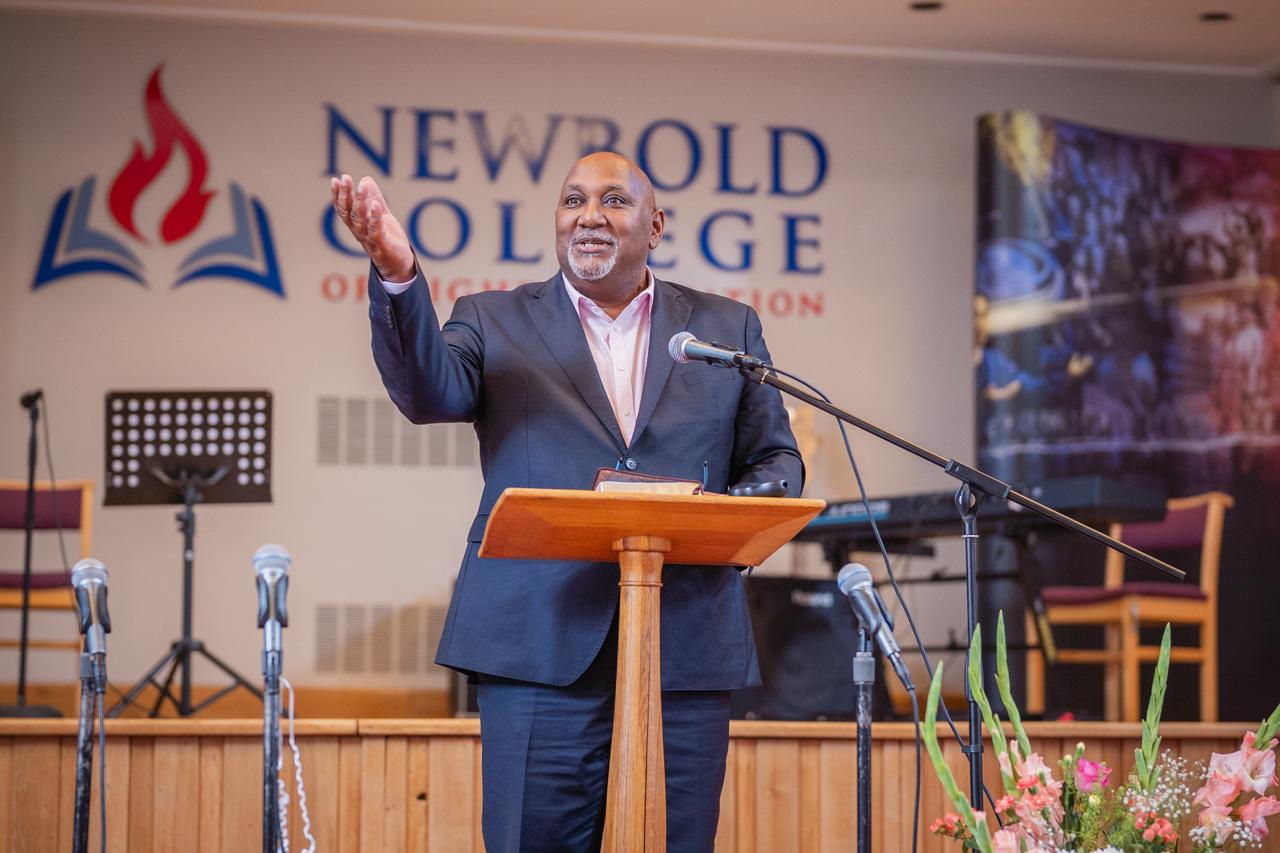
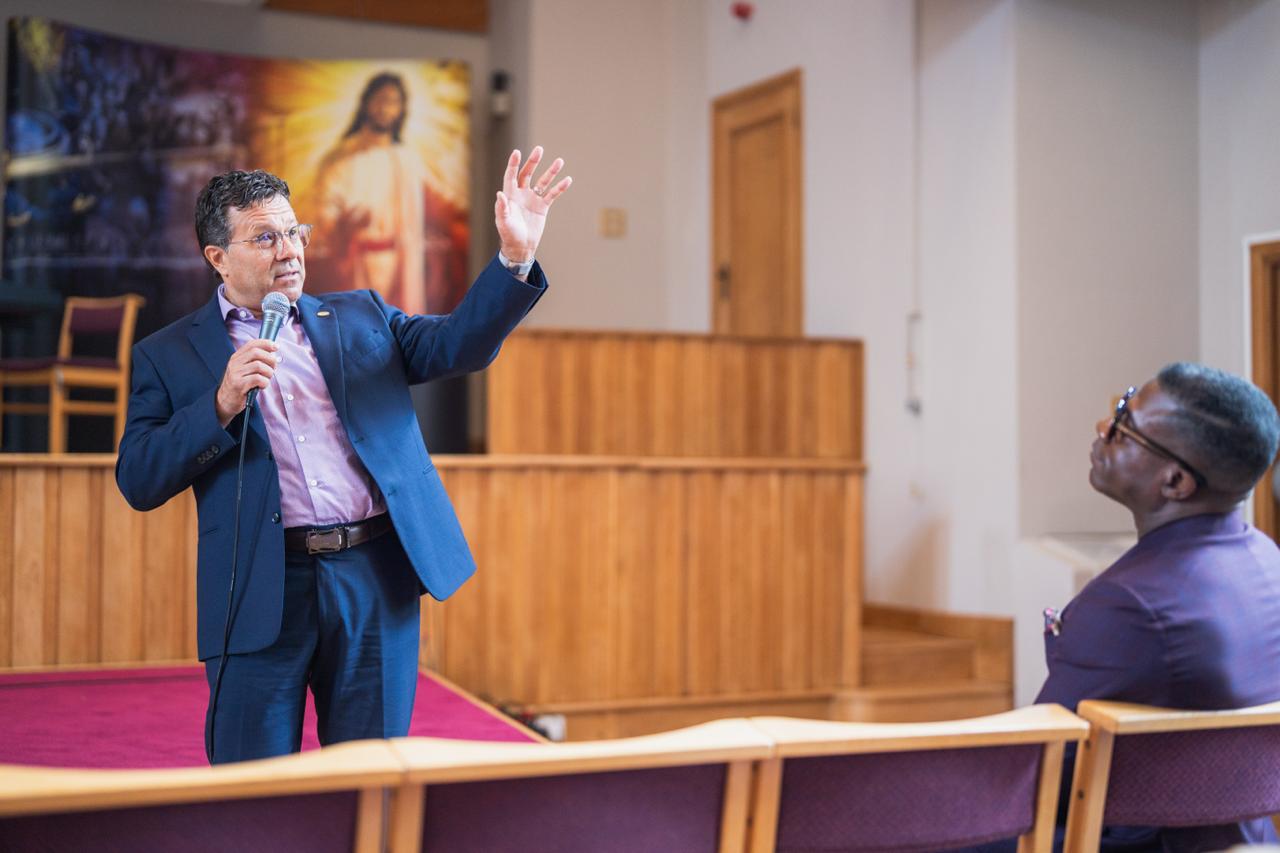
Moments from the symposium
Watch both days in full
Revisit the talks and conversations from the symposium.
Photos: Anja P. Cikač